counterfeit document risks
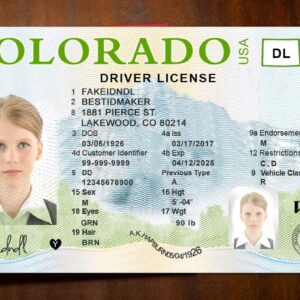
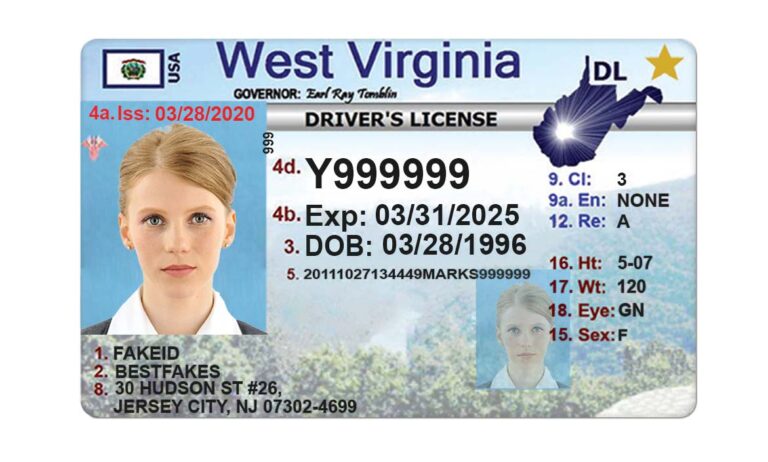
In an age of advanced technology and high-resolution printing, the question often arises: Are counterfeit documents real? The short answer is no, but the reality is far more complex and dangerous. Whether it’s a fake passport, a forged diploma, or a duplicated driver’s license, counterfeit documents are fundamentally illegal imitations that carry severe consequences. counterfeit document risks
What Defines a Counterfeit Document?
A counterfeit document is a forgery created with the intent to deceive. These documents are designed to mimic official government-issued ID, academic records, or financial statements. While modern printing techniques allow these fakes to look increasingly convincing to the naked eye, they are not “real” in a legal or functional sense.
The “Real-ID” Myth
Many people mistakenly believe that if a counterfeit document passes a visual inspection, it is “real.” However, official documents are embedded with sophisticated security features that current forgery technology cannot replicate. These include:
- Microprinting and Watermarks: Visible only under specific light or magnification.
- Holographic Overlays: Layers that shift color or image when tilted.
- RFID Chips: Biometric passports and modern IDs contain encrypted chips that must be readable by government databases. A fake document will lack this digital signature, causing an immediate failure during a scan.
The Dangers of Using Counterfeit Documents
Using, possessing, or manufacturing counterfeit documents is a serious criminal offense. Here is why you should avoid them:
- Legal Consequences: Being caught with a fake document can lead to heavy fines, probation, or significant prison time. It is often classified as a felony involving fraud or forgery.
- Identity Theft Risks: To obtain “high-quality” counterfeits, individuals often provide personal information to unscrupulous vendors. These vendors are frequently linked to organized crime syndicates that use your data to steal your identity.
- Blacklisting: If you are caught attempting to use a fake document (e.g., at an airport or a financial institution), you may be blacklisted. This can lead to permanent travel bans, the loss of banking privileges, or being barred from future employment.
- Security Gaps: Because counterfeit documents lack real security protocols, they are easily detected by security professionals and electronic verification systems. They are almost guaranteed to fail at any point of entry.
Why Reliability Matters
Authentic documents are the backbone of identity verification for a reason. They ensure safety, legal compliance, and trust in both public and private sectors. If you have lost your official identification or need a legitimate copy of a document, the only safe path is to follow legal channels—such as visiting the DMV, requesting a certified copy from a vital records office, or contacting your local embassy.
Conclusion
Are counterfeit documents real? Absolutely not. They are illegal fabrications that promise convenience but deliver nothing but legal, financial, and personal turmoil. If you are in need of documentation, always rely on official, government-authorized routes. Protecting your identity and your legal record is not worth the risk posed by a forged piece of paper. counterfeit document risks